Legal & Compliance

Article 21 of the Indian Constitution: Right to Life and Personal Liberty Explained

Explore Article 21 of the Indian Constitution: Right to life and personal liberty explained with key components, judicial interpretations, and significant rulings.
Article 21
of the Indian Constitution is one of the most significant provisions safeguarding individual rights in India. It provides a fundamental right that ensures every citizen the right to life and personal liberty. Over the years, the Supreme Court has interpreted
Article 21
expansively, transforming it into a powerful legal tool that encompasses a wide range of rights essential to living a dignified life.
Text of Article 21:
"No person shall be deprived of his life or personal liberty except according to the procedure established by law."
While this seems concise, its scope has expanded significantly through judicial interpretations to include various facets of human life and personal freedom.
Right to Life: The "right to life" does not merely mean the right to survive. The Supreme Court has interpreted this to include the
right to live with dignity, which covers basic human necessities such as food, shelter, education, and healthcare.
Right to Personal Liberty: This aspect protects individual freedom from illegal detention or interference. Any deprivation of personal liberty must follow proper legal procedures.
Evolution of Article 21 through Judicial Interpretation
The scope of Article 21 has broadened significantly, largely due to judicial activism and progressive interpretation by the Supreme Court. Here are some critical rights that fall under the umbrella of Article 21:
Right to Privacy: In the landmark
Puttaswamy v. Union of India (2017)
judgment, the Supreme Court ruled that the
right to privacy
is a fundamental right under Article 21. This protects citizens from unwarranted state surveillance and intrusion into personal matters.
Right to a Pollution-Free Environment: In the case of
Subhash Kumar v. State of Bihar (1991), the Supreme Court declared that the
right to life
includes the right to live in a clean and pollution-free environment, emphasizing environmental protection as a crucial component of human dignity.
case, the Court recognized that the right to life under Article 21 includes the
right to livelihood, ensuring that citizens are protected from arbitrary evictions that may strip them of their means of living.
Right to Health: The Supreme Court has also recognized the
right to health
as part of the right to life, as seen in the
case, which mandated the government to provide adequate healthcare facilities.
Unnikrishnan v. State of Andhra Pradesh (1993)
judgment led to the recognition of the
right to education
as a fundamental part of Article 21. This later resulted in the
Right of Children to Free and Compulsory Education Act, 2009, ensuring education for children between the ages of 6 and 14.
Common Cause v. Union of India (2018), the Supreme Court upheld
passive euthanasia, recognizing the right to die with dignity as a part of the
right to life.
Hussainara Khatoon v. State of Bihar (1979)
case, the Court ruled that
speedy trials
are an essential component of personal liberty, highlighting the right of every individual to receive timely justice.
Article 21 has been instrumental in cases concerning environmental protection. The courts have ruled that the
right to a healthy environment
is intrinsic to the
right to life. Some landmark cases include:
M.C. Mehta v. Union of India (1987): Known as the
Ganga Pollution Case, the Supreme Court ruled that pollution of the Ganges river violated the citizens' right to a clean and safe environment.
and
as essential to safeguarding the right to a healthy environment under Article 21.
Article 21 and the Noble M Paikada v. Union of India Case
In
Noble M Paikada v. Union of India [2024 INSC 241], Article 21 played a pivotal role. The Supreme Court struck down a notification exempting linear projects (such as roads and pipelines) from obtaining environmental clearances. The Court held that bypassing public consultation and environmental safeguards violated citizens'
right to a pollution-free environment
under Article 21. This case reinforces that any decision impacting the environment must prioritize public health and environmental well-being.
Conclusion
Article 21 of the Indian Constitution
has evolved into a dynamic and expansive right that encompasses several aspects of human life and dignity. Through judicial interpretation, it has grown to include rights such as the
right to privacy,
right to a clean environment,
right to education, and
right to health, among others. The broad interpretation of this article highlights the importance of ensuring that both life and personal liberty are protected in the fullest sense, making it one of the most far-reaching constitutional provisions in India.
Best Regards,
Eco Space Realtors Team
Your Trusted Partner for Real Estate Solutions in Bengaluru
📞: +91 9900984444
📩:
esr@ecospacerealtors.in
🌐:
https://ecospacerealtors.in
🔗 Link Bio:
https://hopp.bio/esr
Expert Property Services | Property Documents Verification | Legal Drafting | Registration Services | Property Physical Audits
Disclaimer
This information is provided for educational purposes and should not be construed as legal advice. For legal interpretations or to understand how Article 21 applies to specific circumstances, it is recommended to consult a qualified legal professional.
Get a free, no-obligation consultation with our property advisors.
 Legal & Compliance
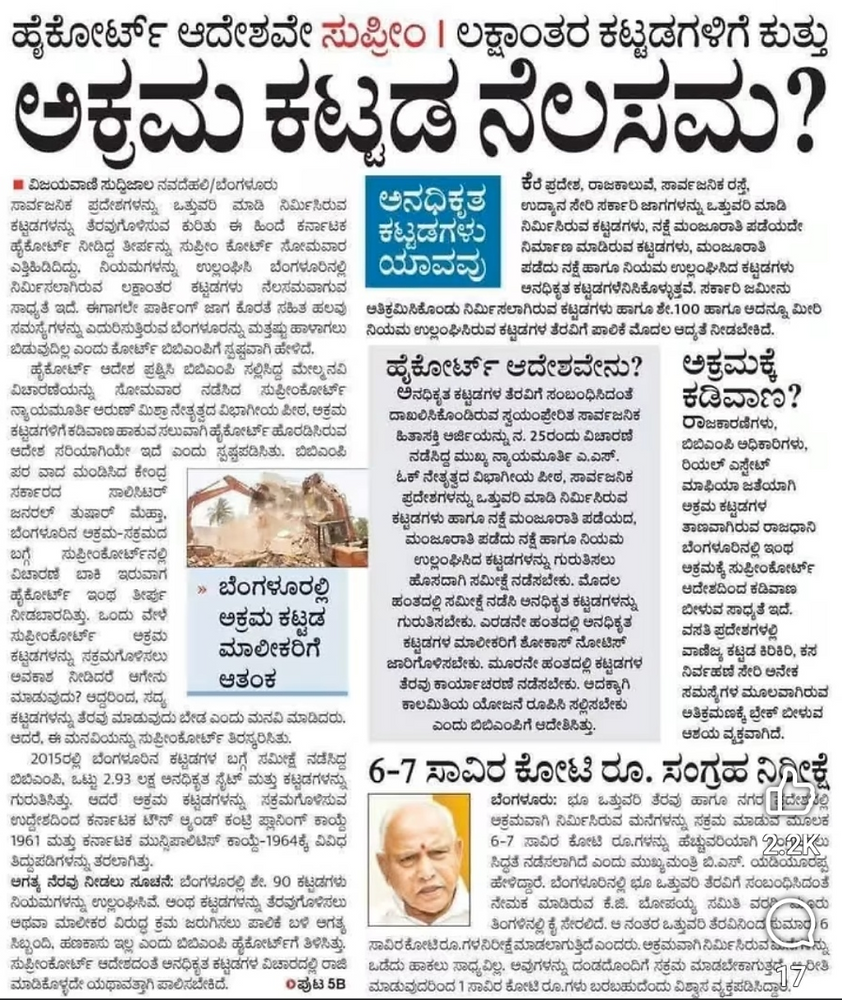
Urban development in Karnataka, particularly in Bengaluru, has been under intense scrutiny due to the growing …
Read Article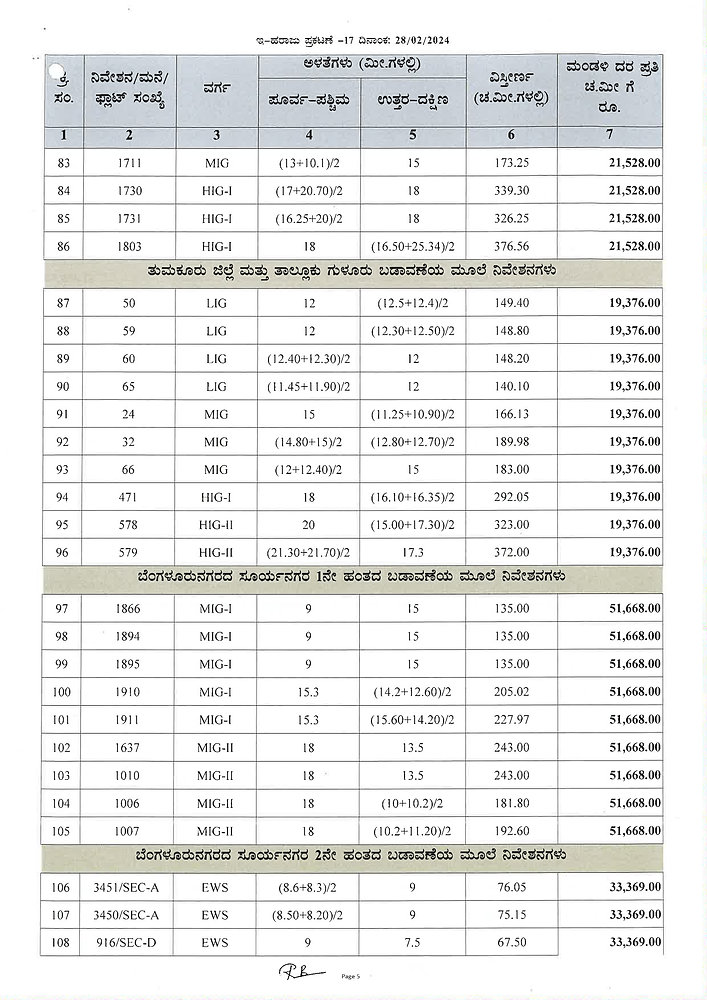 Legal & Compliance
KHB E-Auction of Residential Corner Intermediate Plots available in various Barangays developed by Karnataka H…
Read Article Legal & Compliance
Facing personal legal challenges can be overwhelming, whether it's navigating a divorce, child custody battle,…
Read Article